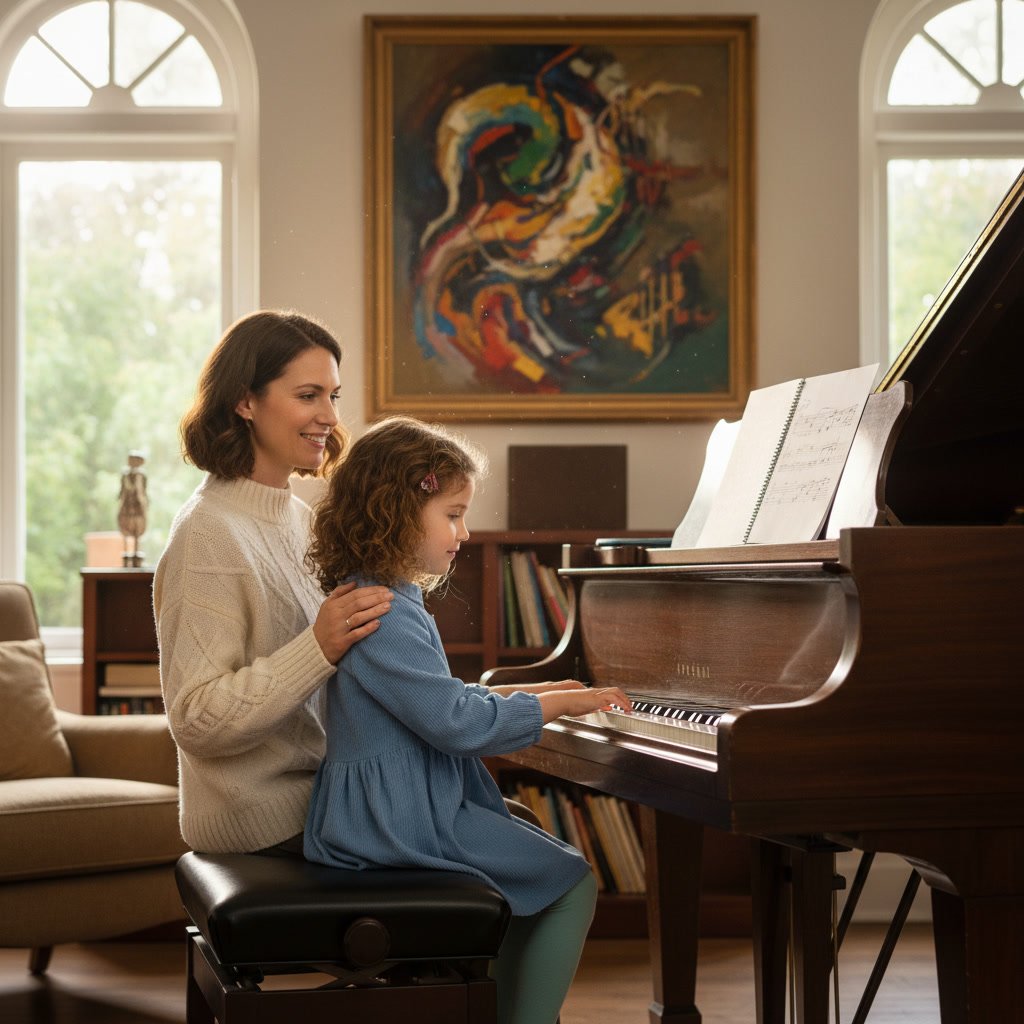
Children typically show readiness for piano lessons between ages 5 and 8, though some demonstrate the necessary skills earlier or later. A child ready for piano lessons can sit still for 15 to 20 minutes, follow multi-step instructions, recognize numbers and letters, and show genuine interest in music. The decision depends less on a specific age and more on a combination of physical, cognitive, and emotional development markers that vary for each child.
Starting piano at the right developmental stage makes all the difference between a frustrating experience and a rewarding lifelong skill. Pushing a child too early can lead to burnout, while waiting too long might mean missing a window of natural curiosity.
Why Timing Matters in Music Education
The age at which a child begins formal music instruction significantly impacts their long-term relationship with the instrument. Research in music pedagogy shows that children who start when developmentally ready progress faster and maintain interest longer than those who begin either too early or too late.
Physical readiness plays a crucial role. A child’s hands need sufficient size and strength to press piano keys comfortably and reach basic intervals. Cognitive readiness matters equally, as piano requires processing multiple types of information simultaneously: reading notation, coordinating both hands, counting rhythm, and listening to tone quality.
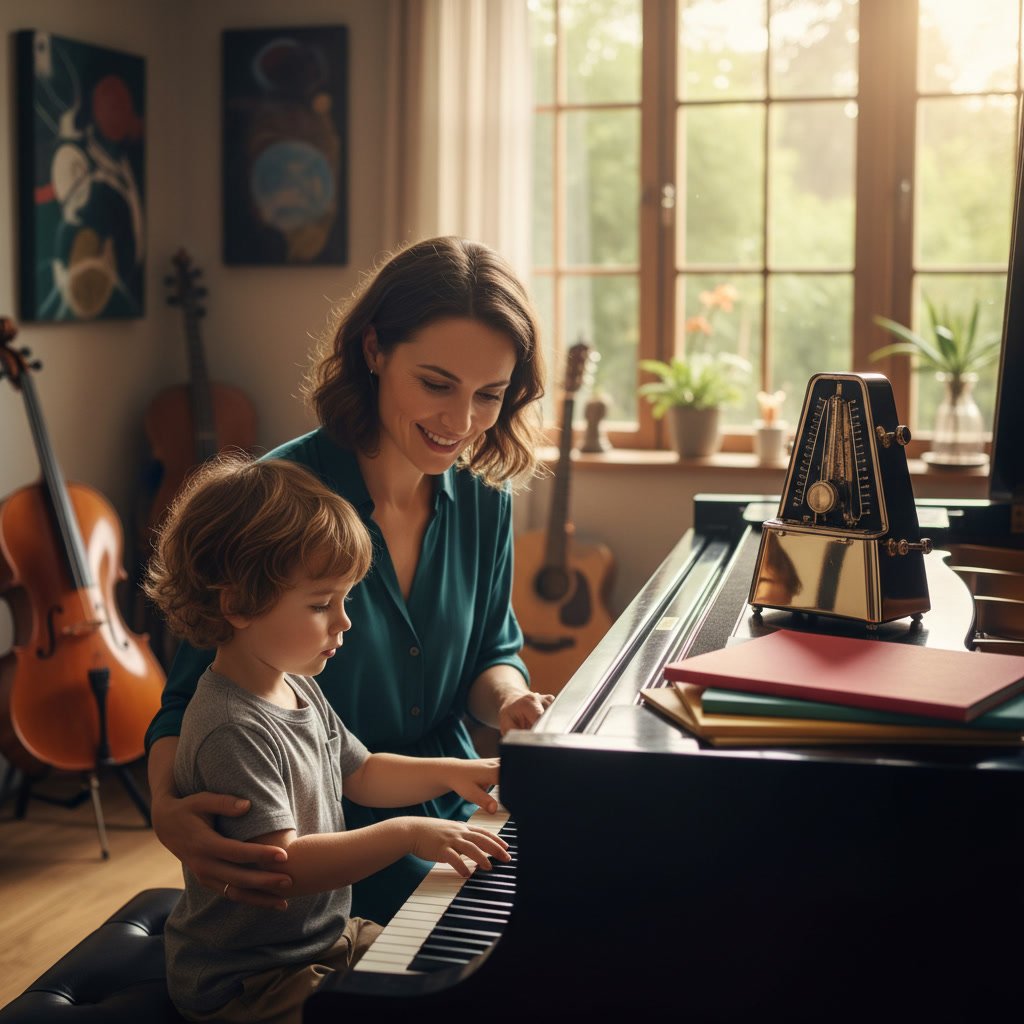
Physical Development Indicators
Hand size and finger strength serve as primary physical markers. Your child should be able to place their fingers on five adjacent white keys without excessive stretching. Their fingertips should curve naturally over the keys rather than collapsing flat.
Fine motor skills develop at different rates in different children. Watch whether your child can perform tasks like buttoning clothes, using scissors with control, or drawing shapes with reasonable accuracy. These activities use similar motor coordination required for piano playing.
Sitting posture and stamina matter more than many parents realize. Your child needs the core strength to sit upright on a piano bench for 15 to 20 minutes without constant fidgeting or slouching. Proper posture prevents injury and allows for better technique development from the start.
Cognitive and Academic Readiness
Piano instruction requires several cognitive abilities that develop during early elementary years. Letter and number recognition forms the foundation of reading music notation. If your child can identify letters A through G and count to at least ten, they possess the basic academic tools needed.
The ability to follow sequential instructions is critical. During a typical lesson, an instructor might say, “Place your right thumb on middle C, count four beats, then play the next three notes.” A child ready for formal instruction can process and execute these multi-step directions.
Pattern recognition helps children learn music more efficiently. Notice whether your child can identify simple patterns in everyday life, like repeating colors in a sequence or recognizing that certain songs have verses and choruses. This skill translates directly to understanding musical phrases and structures.
Emotional and Social Signs in Winter Park Families
Genuine interest in music stands out as the single most important predictor of success. Does your child ask to listen to piano music? Do they pretend to play when they hear songs? Do they show curiosity about how the instrument works? Intrinsic motivation carries a student through challenging practice sessions far more effectively than parental pressure.
The capacity for delayed gratification indicates readiness for an activity that requires consistent practice before showing dramatic results. Children who can work toward a goal over several days or weeks, rather than expecting immediate results, adapt better to the piano learning process.
Attention span varies widely among young children. A student needs the ability to focus on a single task for at least 15 minutes. If your child can complete a puzzle, listen to a story, or engage in a craft project for this duration, they likely have sufficient focus for beginner lessons.
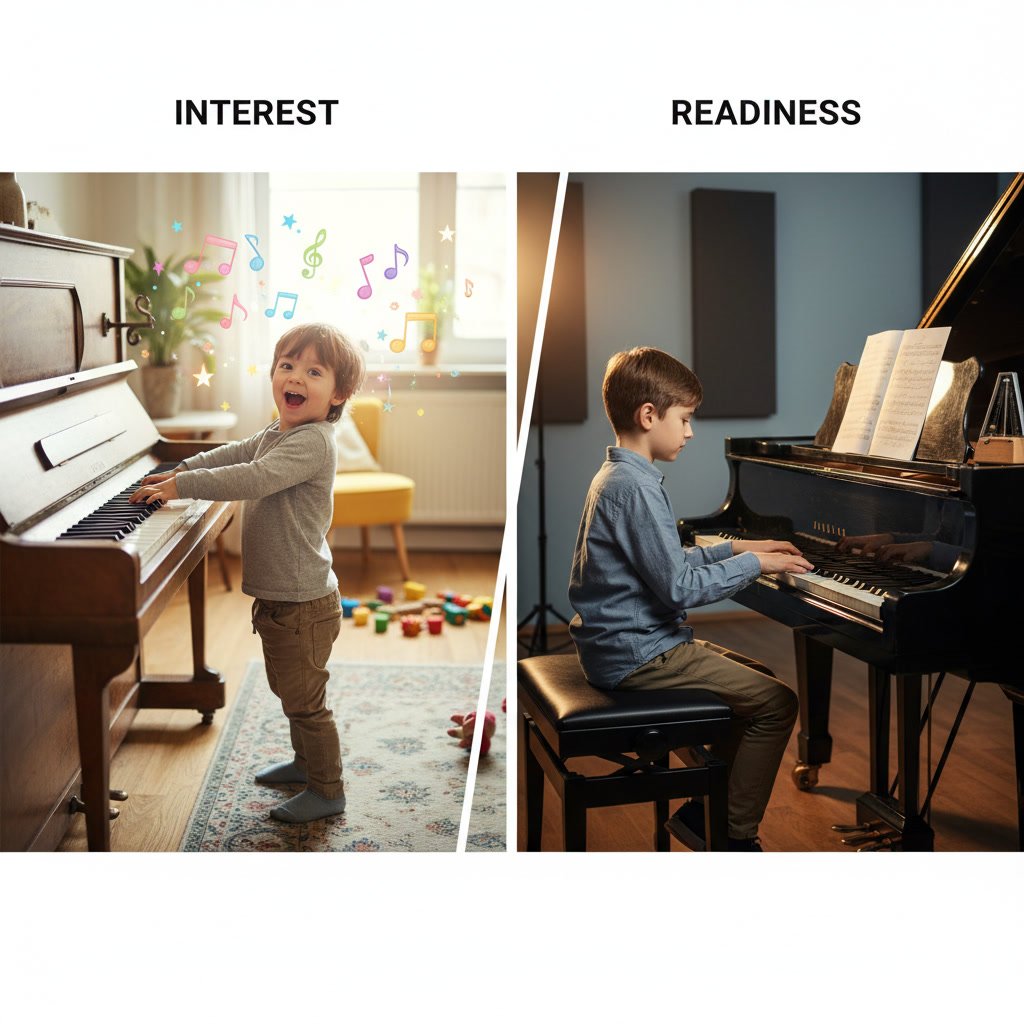
Interest Versus Readiness
Many parents confuse showing interest in music with being ready for piano lessons. A four-year-old might love pressing piano keys and making sounds, but lack the developmental markers needed for formal instruction. This distinction matters because starting too early can transform joyful exploration into a frustrating chore.
For very young children showing strong interest, exploratory music classes offer a better starting point. These programs introduce rhythm, melody, and musical concepts through movement and play, building skills that support later instrument study.
Some children demonstrate exceptional readiness at age four or five, while others benefit from waiting until age seven or eight. Comparing your child to siblings, friends, or averages provides less useful information than observing their individual development across multiple domains.
The Practice Commitment Question
Beyond the child’s readiness, families should consider the practice environment at home. Piano progress requires regular practice between lessons, typically starting at 10 to 15 minutes daily for beginners. Do you have a quiet space where your child can practice without constant interruptions?
Parental involvement during the early stages significantly affects student success. Young beginners need a parent present during home practice to help them remember instructions, stay on task, and maintain proper hand position. Can you commit to this supervisory role for at least the first six months?
The instrument itself matters. A full-size keyboard with weighted keys provides the proper resistance and feel. Small toy keyboards with mini keys teach muscle memory that must be unlearned later. If budget constraints prevent purchasing an acoustic piano immediately, a quality 88-key digital piano with weighted action serves as an acceptable alternative.
Assessment Checklist for Parents
Use this practical framework to evaluate your child’s readiness across key domains. In the physical category, check whether your child can comfortably reach a five-key span, maintain sitting posture for 20 minutes, and demonstrate coordination in activities like writing or drawing.
For cognitive readiness, confirm your child recognizes letters and numbers, follows three-step instructions reliably, and shows pattern recognition in daily activities. Emotional readiness includes expressing genuine interest in piano music, accepting corrections without excessive frustration, and working toward goals over multiple days.
Environmental readiness involves having an appropriate instrument at home, a quiet practice space, and at least one parent available to supervise practice sessions. Children who meet criteria in at least three of these four categories typically experience positive outcomes with formal instruction.
When to Consider Alternative Paths
If your child shows strong musical interest but lacks some readiness markers, several alternative approaches can build skills while maintaining enthusiasm. Group music classes for young children develop rhythm, pitch matching, and musical vocabulary through games and movement.
Exploratory keyboard play without formal instruction allows children to build comfort with the instrument. Set aside time for your child to experiment with sounds, create their own songs, and enjoy the piano as a toy before introducing structured learning.
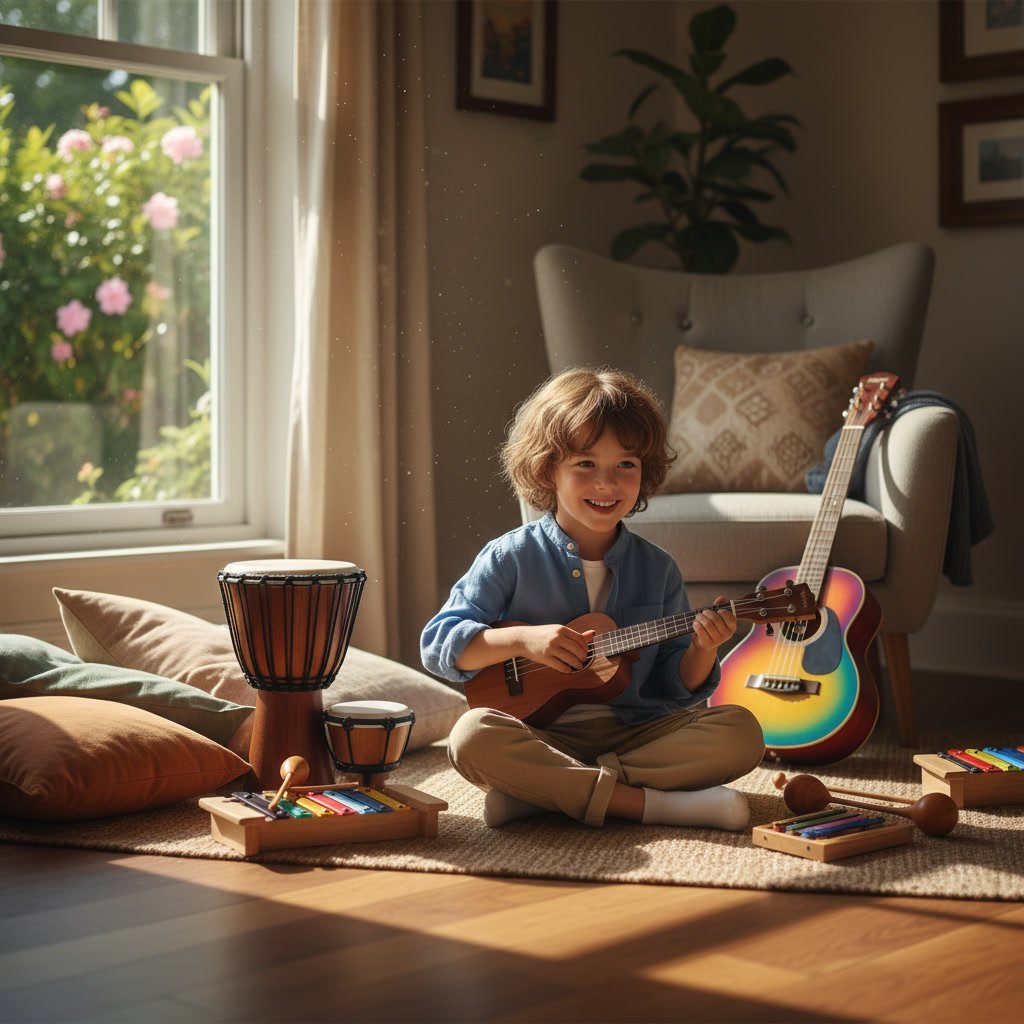
Some children respond better to starting with a different instrument. Ukulele requires less hand strength and finger span, making it accessible to younger students. Drums develop rhythm and coordination. Voice lessons need no equipment purchase and build musicality that transfers to piano later.
Trial Lessons as a Decision Tool
Most quality music schools offer trial lessons that serve as excellent assessment opportunities. During a trial session, an experienced instructor can evaluate your child’s hand size, attention span, ability to follow directions, and overall readiness level.
Watch how your child responds to instruction. Do they seem engaged or overwhelmed? Can they repeat back what the teacher demonstrated? Do they ask questions or show curiosity about what they’re learning? These observations provide more reliable data than any readiness checklist.
The instructor’s feedback after a trial lesson carries significant weight. Teachers who work with young beginners daily develop expertise in recognizing readiness that parents often lack. If a teacher recommends waiting six months, this guidance typically proves accurate and beneficial.
Supporting Your Child’s Musical Journey
Once you determine your child is ready to begin, the learning environment you create at home matters as much as the quality of instruction. Establish a consistent practice schedule at the same time each day, turning it into a routine rather than a negotiation.
Celebrate small victories rather than focusing on mistakes. Learning piano involves making hundreds of errors as part of the process. Children who receive positive reinforcement for effort and incremental progress develop resilience and persistence.
Attend recitals and performances featuring young pianists. Seeing peers perform motivates students and provides concrete examples of achievable goals. Many children practice more diligently in the weeks following a recital they attended as an audience member.
Making the Right Choice for Your Family
The decision to start piano lessons involves balancing your child’s developmental readiness with family logistics and resources. Children who begin when physically, cognitively, and emotionally prepared enjoy the learning process and build skills that serve them throughout life.
Trust your observations of your child’s individual development more than arbitrary age guidelines. A seven-year-old with strong interest and readiness markers will progress faster and enjoy the experience more than a five-year-old prodigy pushed before they’re ready.
Winter Park Music Academy offers lessons for students as young as four and provides expert guidance to help families determine the optimal starting point. Our experienced instructors assess each child individually and recommend the best path forward, whether that means beginning immediately, waiting a few months, or exploring alternative musical activities first.
If you’ve noticed several readiness signs in your child and want professional guidance on the next steps, reach out to discuss your child’s individual situation and schedule an assessment lesson. Contact us at (407) 622-9588 to speak with an instructor who can help you make the best decision for your child’s musical future.
Leave a Reply